
A plant-based strength journal from the Nordics
Forty is not
a finish line.
It is where strength starts.
You do not have to become someone else to become stronger. You need the right knowledge, a plate that carries a training week, a plan that respects the life you already live, and the patience to let strength arrive the way it does: one more rep, one more kilo, one more week.
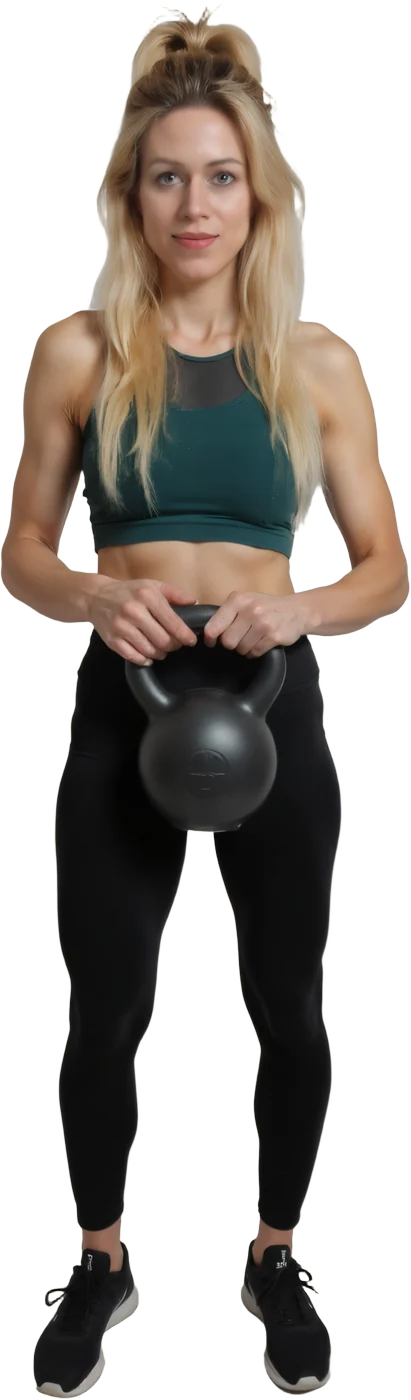
 Trained every day in the Nordics
Strength without intimidation
Not perfection, not punishment, not turning back the clock
Strong at Forty is written for women who have been told, in a hundred quiet ways, that this is the decade to slow down. It is not. It is the decade when a sensible plan pays back fastest, because a body that has never been asked to lift has the most to give. Nothing here requires a gym membership, a transformation or a younger body. It requires a plate, a plan and twelve weeks of showing up.
The promise is small and it is kept: you will understand what you are eating, you will be stronger than you were, and you will have a way of training that still fits when the week goes wrong.



The four pillars
Four things, in the right order
 01
Plant-powered nutrition
Protein by the gram, iron that is absorbed, B12 without debate. A plate that carries a training week, built from foods you can buy on a Tuesday.
02Strength and fitness
Two or three sessions a week, a progression rule you can write on the fridge, and a ten-minute version for the days that fall apart.
The philosophy
No single thing fixes it. Four things together do.
Nutrition, training, sleep and stress are not four separate projects; they are one loop, and the weakest link sets the result. Protein without lifting is expensive urine. Lifting without sleep is soreness without progress. A perfect week without a repeatable one is a photograph. The pages here work on all four at once, in the smallest steps that still add up.
Nourish
Enough food, 25 to 30 g of protein per meal as the PROT-AGE and EFSA guidance puts it, iron with vitamin C, B12 from a supplement. The input the rest depends on.
Train
Two to three full-body sessions a week, 10 to 20 hard sets per muscle, a little more than last week. The signal that tells muscle to stay.

Recover
Seven to nine hours of sleep, a rest day you do not apologize for, and walking on the days between. Where the adaptation is built.

Repeat
A plan you can keep for a year beats the perfect plan you keep for three weeks. Consistency is the only variable that compounds.
From the journal
Read first, then lift
Every article carries the number, the study it came from, who was in that study, and the finding that cuts the other way.
Creatine for Women Over 40: Dose, Water Weight, Vegans and Menopause
What creatine does for women after forty, the 3 to 5 g dose that works, whether to load, the 1 to 2 kg of water, why vegan women start with lower stores, and what the menopause trials found.
4 min readProtein After 40 for Women: Grams per Kilo, per Meal, and Plant Foods That Get There
How much protein a woman over forty needs to keep and build muscle: 1.2 to 1.6 g per kilo, 25 to 30 g per meal, why timing matters, leucine, and the plant foods with grams per portion.
5 min readStrength Training for Women Over 40: Sets, Reps and a Twelve-Week Start
How to start strength training after forty: the five movements, 10 to 20 sets per muscle a week, 6 to 15 reps, the progression rule, a three-day week, and what the research shows ten weeks of lifting does.
5 min readWhy Am I Not Getting Stronger? Seven Reasons the Plateau Happens After 40
Lifting for months and the numbers will not move: the seven usual reasons, from no progression rule and too few hard sets to under-eating, 40 g of missing protein, sleep, soreness that lasts days, and the ten-minute week that saves the habit.
5 min readThe Nordic pantry
Twelve foods the plan is built on
A seasonal kitchen, not a superior one. These are the foods that grow or store well in the north, and what each one puts on the plate, with the numbers per portion where they are known.
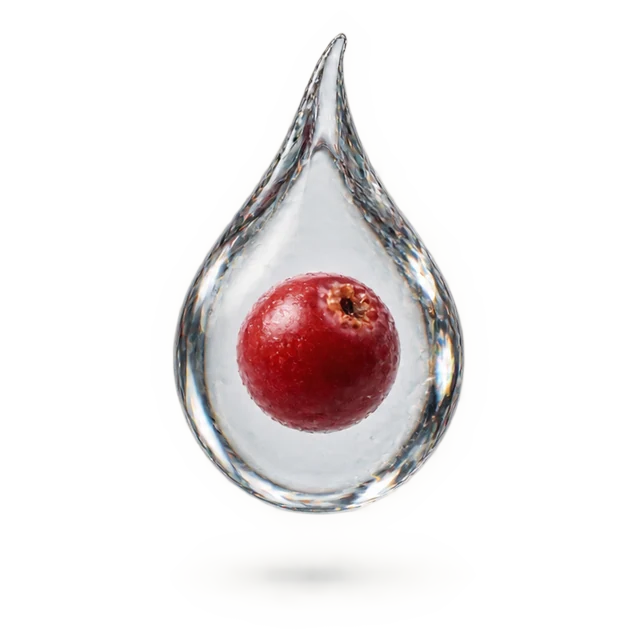
Lingonberries
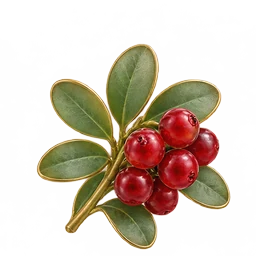
Tart, low in sugar, rich in polyphenols and a little vitamin C. The Nordic answer to jam, without the spoon of sugar.
With porridge, in a sauce for roasted roots

Cloudberries
Golden marsh berries with about 100 mg of vitamin C per 100 g, more than an orange, and a short August season.
Frozen all year, over oats

Oats
4 g of beta-glucan fiber per 100 g of dry oats and about 13 g of protein; the base of a breakfast that lasts until lunch.
Porridge on soy milk, overnight oats

Edamame
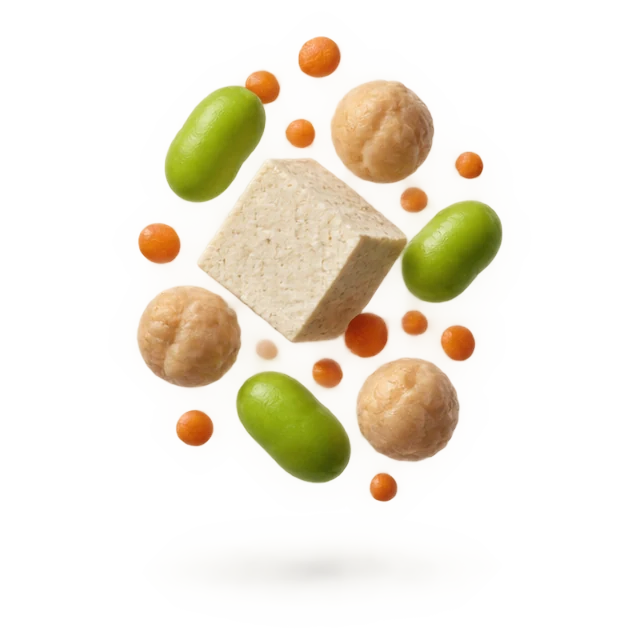
17 g of protein per cup, all nine essential amino acids, fiber and folate. Frozen, five minutes, done.
The fifteen-minute rescue

Tofu
17 g of protein per 150 g of firm tofu, calcium when set with calcium sulfate, and 4 mg of iron.
Seared, scrambled, pressed and baked

Lentils
18 g of protein and 6.6 mg of iron per 200 g cooked, with the fiber that keeps blood sugar level through the afternoon.
A pot on Sunday covers three lunches

Chickpeas
15 g of protein and 3 mg of iron per 200 g cooked; roasted, they are the snack that replaces the biscuit.
Hummus, roasted, in a stew
Peas
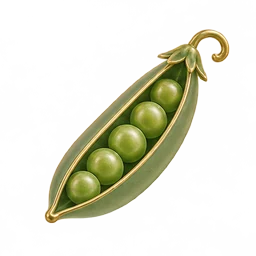
Frozen peas carry 5 g of protein per 100 g and keep their vitamin C in the freezer better than fresh ones keep it in the fridge.
Into everything, at the last minute
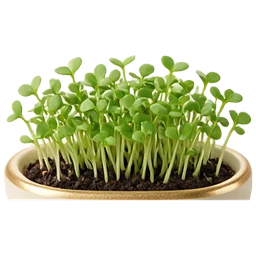
Microgreens
Pea shoots and broccoli sprouts: small amounts, dense in vitamin C and K, grown on a windowsill in a Nordic winter.
A handful on every plate

Forest mushrooms
Umami, potassium and B vitamins; laid in midday sun for an hour, they make vitamin D2 of their own.
Pan-fried with thyme on rye

Cabbage and roots
The winter vegetables that store for months with nothing added: fiber, vitamin C, folate, and a slow sweetness when roasted.
Roasted in halves, grated raw
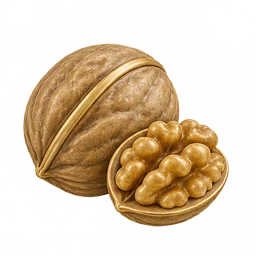
Nuts and seeds
Walnuts carry 2.6 g of omega-3 ALA per 30 g; pumpkin seeds 2.5 mg of iron; both add the energy a leafy plate lacks.
A handful at eleven and at four




Who writes this
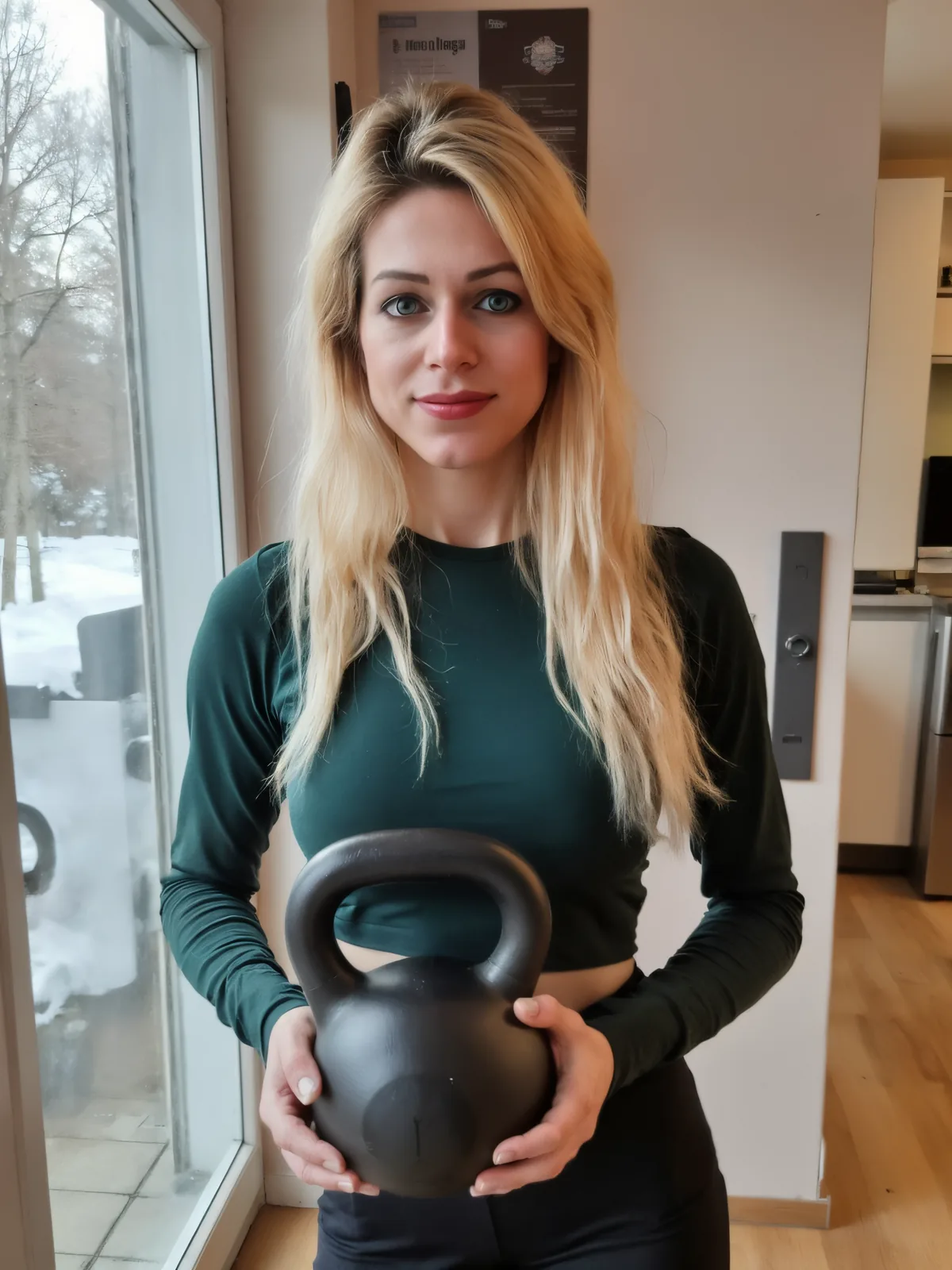
Barbara, who started at thirteen
She lost her parents and her family at thirteen and made herself one promise: her pain would not define her future, her strength would. Twenty-eight years later she trains every morning in the Nordics with a husky and a German Shepherd who do the pulling, has eaten plants her whole life, and coaches women across Europe from a kitchen table in online sessions.
The animals are not a footnote to how she lives; they are the reason the plate is plant-based. Everything on these pages is something she does herself, and where she quotes a study she tells you who was in it.
From knowledge to a Tuesday
What it looks like in a real week
Build the plate
A palm of soy, lentils or beans, a fist of grains or roots, two fists of vegetables, a thumb of fat, and something with vitamin C beside the iron. Three times a day. The rest of the plan rests on this.

Plan the week
Monday, Wednesday, Friday: squat, hinge, push, pull, carry. Forty minutes each. Walk on the other days. Write the weights down; next week, one more rep or one more kilo.
Protect the recovery
In bed by the same hour, screens away, a glass of water and a protein-rich snack if dinner was early. Soreness that lasts three days is a message, not a medal.

The morning
Shoes on before the day can argue. Twenty minutes is enough; the dogs insist.
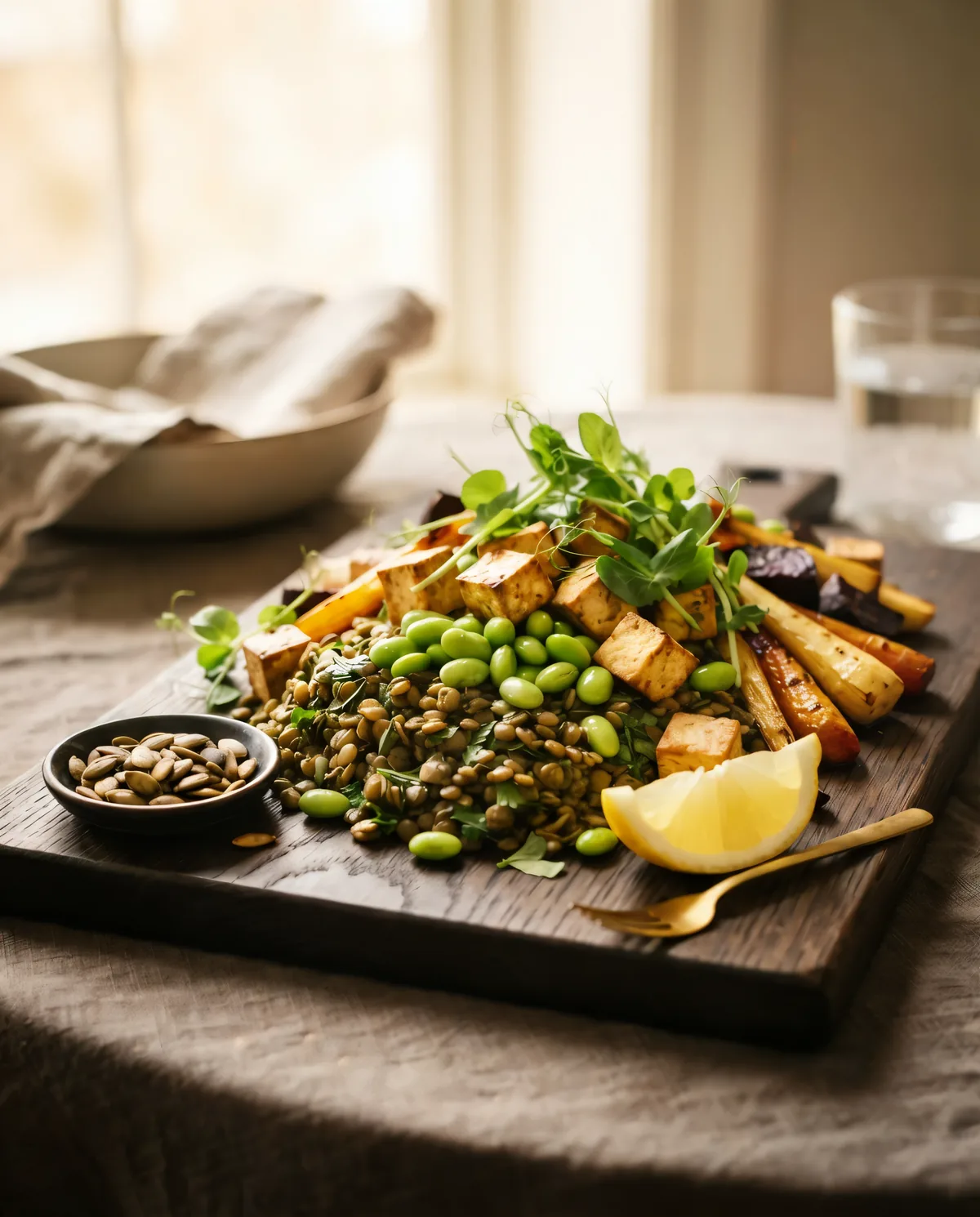
The plate
Thirty grams of protein on one board, most of a day's iron, and nothing that needs a recipe.


The night
Seven to nine hours, the same bedtime, a glass of water by the bed. Where the week's lifting becomes muscle.
Barbara's letters: one lift, one plate, one honest number, every Sunday
No downloads that do not exist, no daily emails. One letter a week, written by Barbara, unsubscribe in one tap.
Build a life that feels as strong as the woman you are becoming.Strong at Forty
This is general information about food and training, not medical advice. If you have a diagnosed condition or take medication, talk to your doctor before changing your diet or exercise.
Evidence pack: strength-after-40-v1. Published by Barbara of North.